



Tokyo Asakusa River Cruise

Enjoy a relaxing 40-minute river cruise along the Sumida River, starting in Asakusa near Sensoji Temple and ending at Hinode Pier. Sail beneath 13 scenic bridges before heading to the peaceful Kyu-shiba-rikyū Garden, a historic Edo-era Japanese garden in central Tokyo, originally built during the Edo period and one of Tokyo’s most famous feudal lord gardens.

Credits: Gotokyo.org

All tickets include an upgrade to a private Box Seat which guarantees window seating with a table and ensures your group can all sit together.

Credits: Tokyo Cruise (Asakusa to Hinode Pier river cruise map)

Pricing includes entrance to Kyu-Shiba-rikyū Gardens. It features a central pond, stone bridges, and seasonal flowers. The garden offers a serene escape from the city and showcases Japan's natural beauty and cultural heritage.

Availability: Mondays to Sundays. Boats depart at 11.40 am and 2.20 pm.

Travel duration: approx. 40 minutes.

Prices:

1 Person 2 People 3 People 4 People 5 People 6 People 7 People
Cost USD 42 54 66 78 90 102 114

Anyone aged 12 years or over is counted as a ‘person’.

Children aged 6 to 11 years are priced at US$7.

Children aged 0 to 5 years are free of charge when accompanied by a paying adult. However, a second child aged 0-5 years will be charged at $7.

The pricing table only goes up to 7 people but we can book for any number of people.


Note: The latest time we can start the tour if you want to include this add-on would be 12:30 pm


This can be booked as an add-on to a private customized tour.

Hello Tokyo
A Guide to Goldfish Scooping in Japan | Tokyo Things To Do 2025

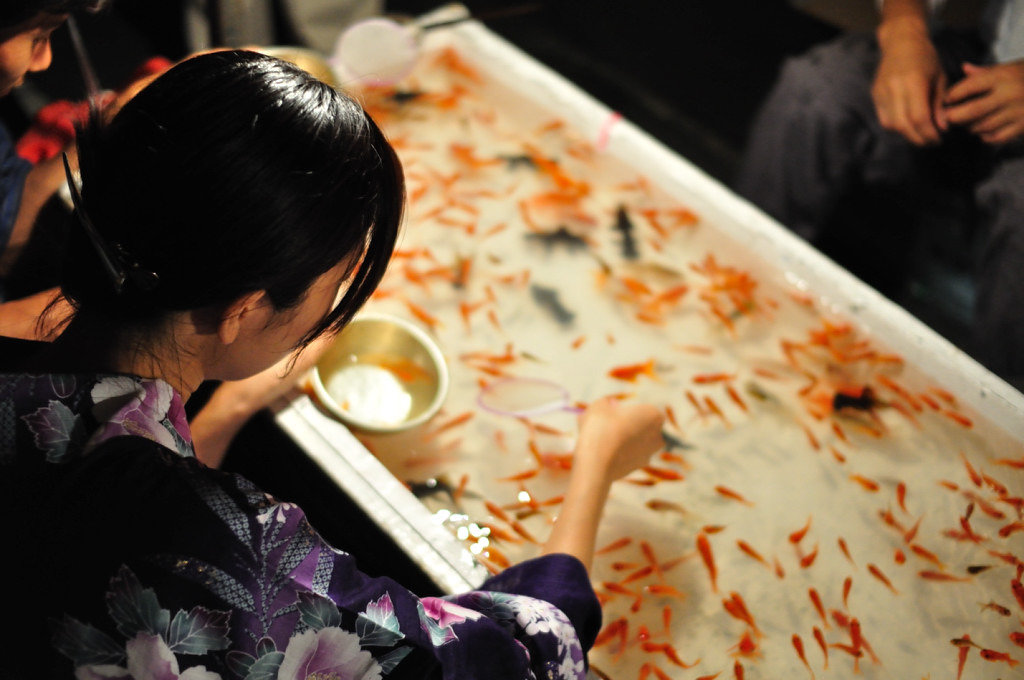
Credit: Bokksu (Scooping goldfishes using a tiny paper net called “poi”)

When most people think of Japanese festivals, images of traditional yukatas, food stalls, and vibrant lanterns often come to mind. However, one iconic activity that truly captures the essence of summer in Japan is kingyo sukui or goldfish scooping. This traditional game, popular at summer festivals throughout Japan, offers a fun and challenging experience for all ages. Whether you’re a visitor to Tokyo or a local looking for something nostalgic, goldfish scooping should definitely be on your list of Tokyo things to do in 2025.

 
  1. What is Goldfish Scooping?

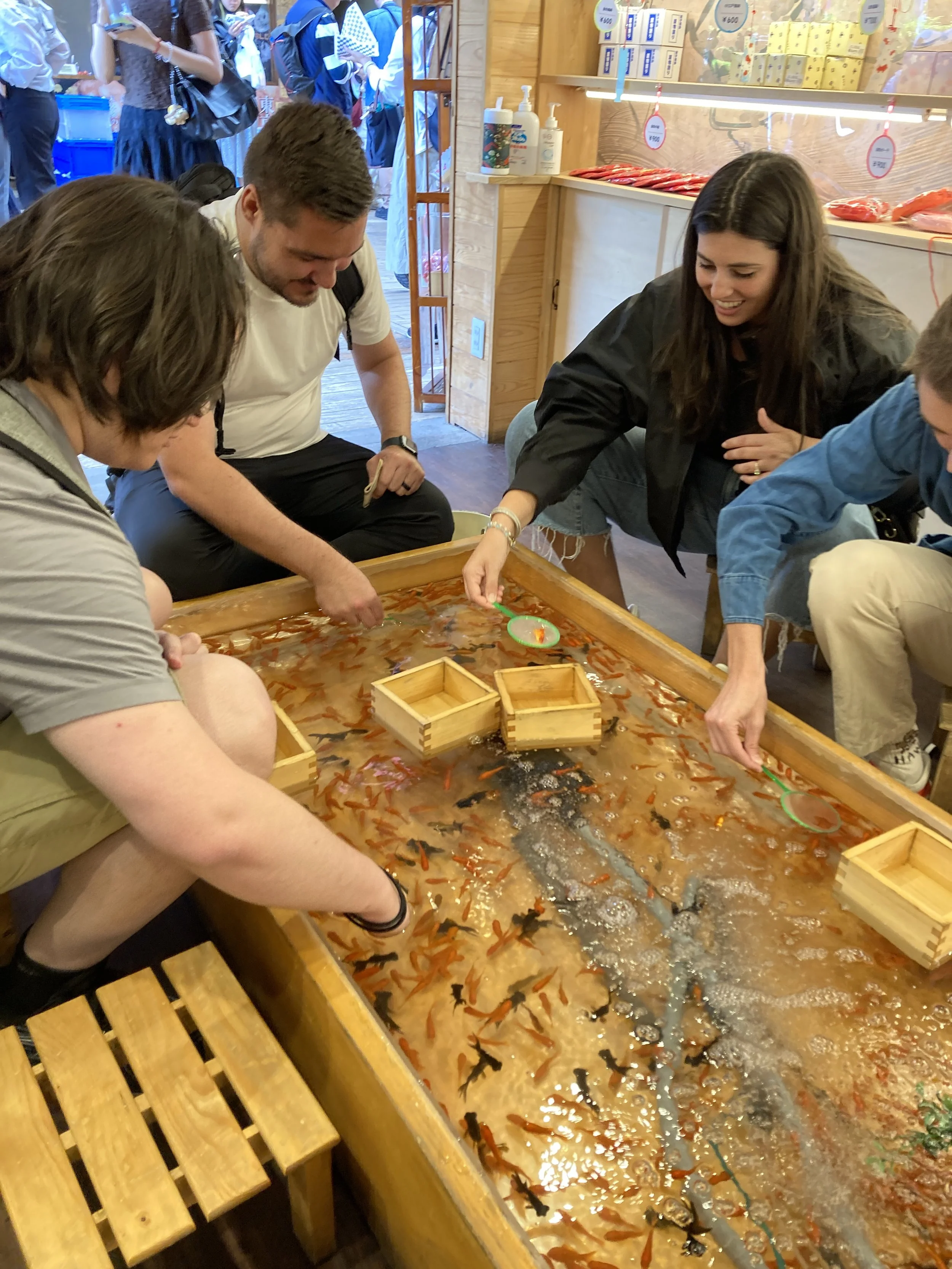
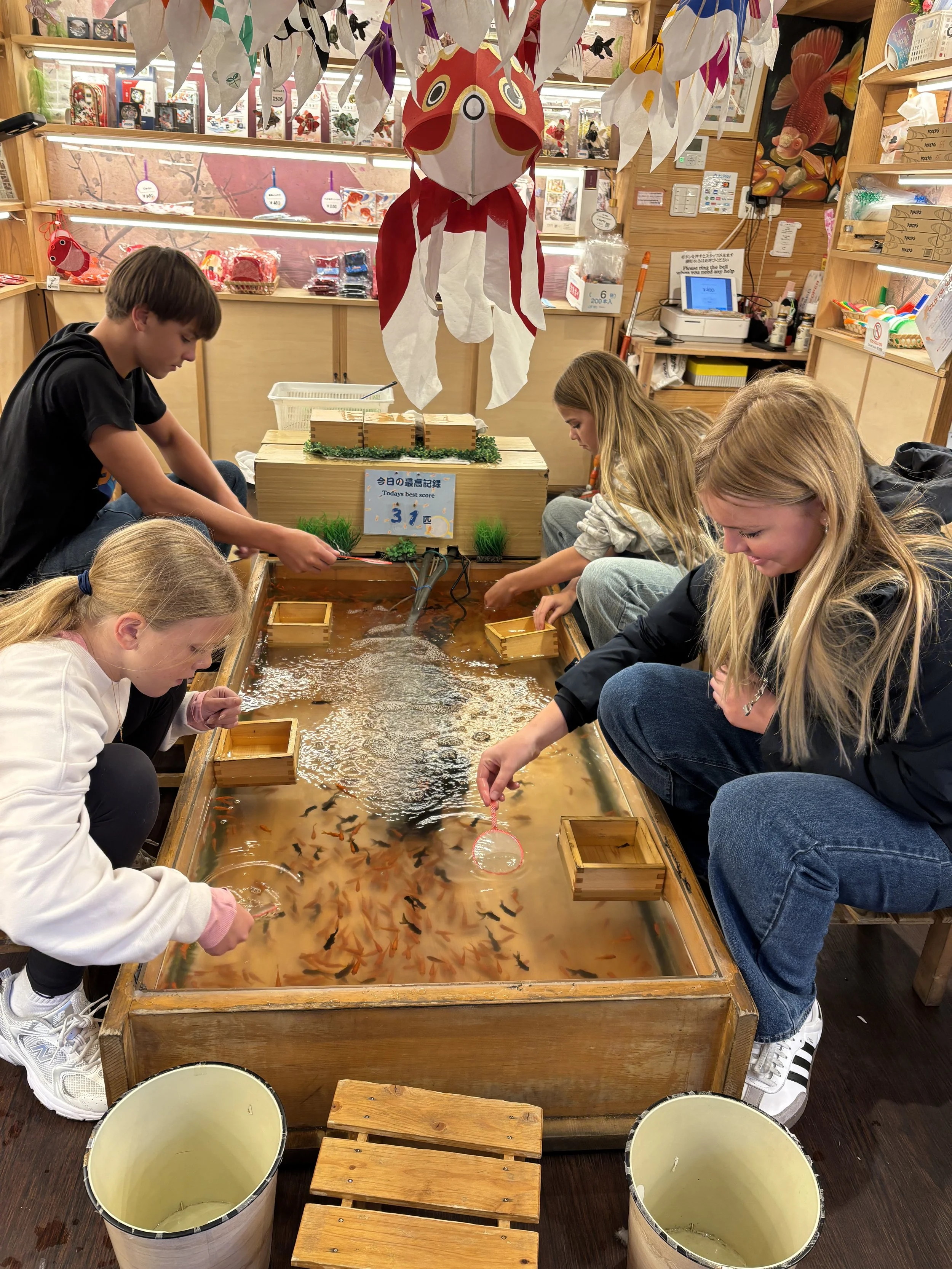
Goldfish scooping, or kingyo sukui, is a traditional Japanese festival game where players use a paper scooper (often resembling a small, delicate net) to catch goldfish from a small pool of water. It’s usually seen at matsuri (festivals) during the summer months, especially in July and August. The objective of the game is simple: scoop as many goldfish as possible without tearing the delicate paper scooper.

The game requires a lot of skill, patience, and a steady hand. The goldfish are often swimming fast and darting around, making it a challenge to catch them. As the game progresses, the paper scooper becomes weaker, which adds to the challenge, as you have to be mindful of how much pressure you're applying.

Credits: Photohito

2. History of Goldfish Scooping

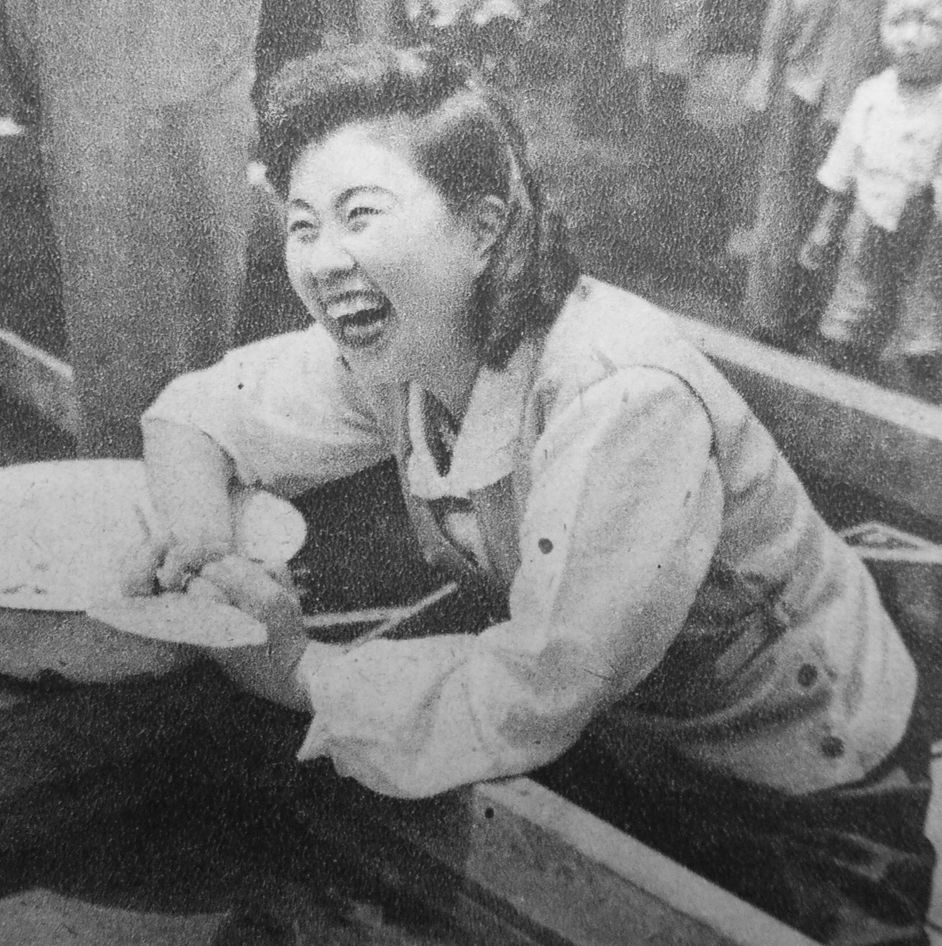
The origins of kingyo sukui date back to the early 17th century in Japan, during the Edo period, where it was introduced as a way to display the skill of catching goldfish in a shallow bowl. The game was popularized in the late 1800s as it became a staple of summer festivals, gaining cultural significance and becoming an iconic event during the summer season.

It's also a way to bring people together, whether it's families, friends, or festival-goers. For locals, goldfish scooping is a nostalgic activity that harkens back to childhood summers, and for tourists, it’s a way to engage in a uniquely Japanese cultural tradition.

Credits: Yabai (朝日新聞社 (『アサヒグラフ』 1948年6月30日号)

3. Why Goldfish Scooping is a Must-Do Experience in Tokyo

Goldfish scooping offers more than just the thrill of winning a prize; it’s a cultural experience that lets you connect with Japanese tradition. The game symbolizes patience, agility, and a sense of nostalgia that is cherished by locals, making it a classic summer activity. For tourists, participating in goldfish scooping is a unique way to interact with Japanese culture and gain a deeper understanding of traditional Japanese festivals.

Whether you're wandering through the colorful booths of a local matsuri or visiting one of Tokyo’s many attractions, don’t miss the chance to try this fun and memorable activity during your visit. It’s a little piece of Japanese history, and an unforgettable souvenir awaits for those who catch a goldfish!

Tips for Success:

  1. Be Gentle: The key to success in goldfish scooping is to be patient and gentle. Too much force will cause the paper to rip, so use a light touch when scooping.

  2. Watch the Fish’s Movement: Goldfish move unpredictably, so you’ll want to observe their behavior and anticipate their movements before attempting to scoop.

  3. Don’t Rush: Take your time! Goldfish scooping is as much about skill as it is about enjoyment. If you're relaxed, you're more likely to succeed.

  4. Have Fun!: The main point of goldfish scooping is to enjoy the game, whether or not you catch any fish.


Goldfish scooping is one of those simple yet joyful activities that allows you to embrace the spirit of summer in Japan. It’s fun, challenging, and provides a little piece of traditional culture. Whether you're a visitor or a Tokyo resident, don’t miss out on this delightful experience in 2025.

So, when you’re planning your Tokyo things to do on your own or with a guided tours of Japan, make sure to carve out time for this classic summer festival experience. The memories you make from goldfish scooping are sure to be a highlight of your Japanese adventure!


Include Goldfish Scooping on your Tokyo Private Customised Tours!


Connect with us!

Discover the Charm of Omodie Yokocho | Food Tour Tokyo

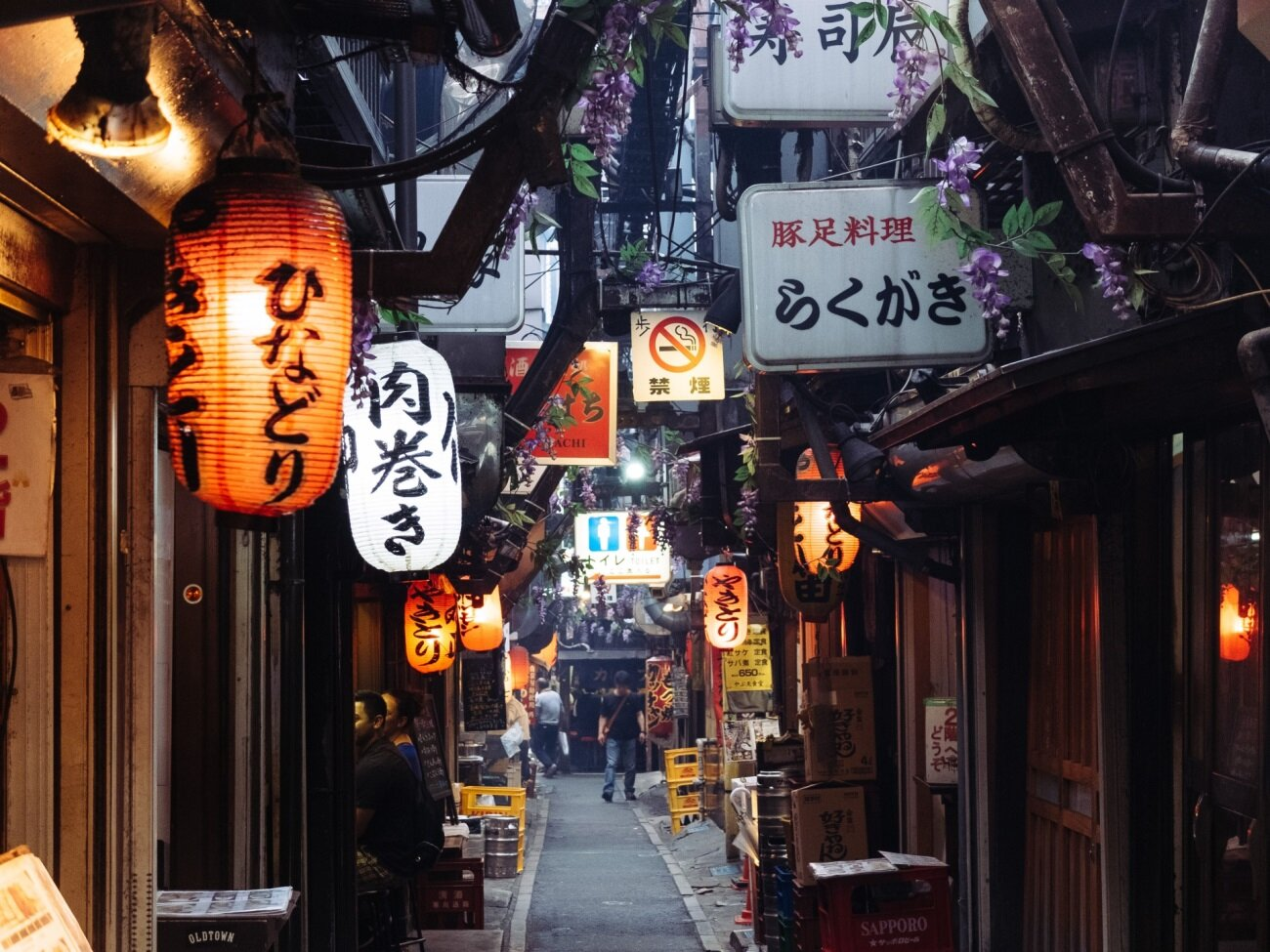
Nestled in the heart of Tokyo’s Shinjuku district lies a hidden gem that perfectly captures the old-world charm of the city: Omoide Yokocho, affectionately known as Piss Alley. Despite its quirky name, this lively alleyway offers an authentic taste of Tokyo’s post-war past, with narrow streets lined with tiny bars, eateries, and yakitori stalls. If you’re looking to dive into the real Tokyo, far from the glossy skyscrapers and neon lights, Omoide Yokocho is an experience you won’t want to miss for your food tour Tokyo.


A Taste of History

Omoide Yokocho’s origins trace back to the aftermath of World War II when it served as a gathering spot for laborers. The name Piss Alley is believed to stem from its past, where cramped conditions and a lack of restrooms led to unpleasant odors. But today, the alley has transformed into one of the city’s most beloved spots, offering visitors an eclectic blend of nostalgia and contemporary vibrancy.

The Atmosphere

Walking through Omoide Yokocho feels like stepping into the past. The alley is small, often crowded, and filled with the smoky aroma of grilled meat. The intimate, shoulder-to-shoulder seating fosters a communal vibe, where visitors bond over cold beers and delicious yakitori skewers. It’s a place where the energy of old Tokyo is alive and well.

The Food

The real draw of Omoide Yokocho is its food. From grilled yakitori to hearty oden stew, the tiny eateries serve simple yet flavorful dishes. The atmosphere is as much a part of the experience as the food itself—smoke, sizzle, and laughter combine to create a truly unique dining experience.

A Timeless Tokyo

Omoide Yokocho offers a refreshing contrast to the shiny skyscrapers and bustling streets of Shinjuku. It’s a space that holds onto the essence of Tokyo’s past, even as the city rapidly modernizes. The alley may be small, but its charm and authenticity make it a must-visit spot for anyone seeking the true soul of Tokyo.


Omoide Yokocho, or Piss Alley, is one of the most charming places you can visit in Tokyo. Its humble, historic nature and its role as a gathering place for locals make it an essential stop for anyone wanting to experience the true soul of the city. While it may have started as a place for post-war workers to grab a quick drink, today it stands as a reminder of Tokyo’s vibrant past and its ability to preserve the essence of traditional dining amid the relentless march of modernization.

So, the next time you find yourself in Shinjuku, take a step off the beaten path, and let the smoky aromas and cozy atmosphere of Omoide Yokocho transport you to another era. Whether you are visiting it on your own or with a Tokyo private tour guide, It’s a small corner of Tokyo that captures the heart of the city, and once you’ve been, it’s hard not to fall in love with it.


Book our Private Customised Tours to seamlessly navigate the bustling streets of Shinjuku, enjoy a personalized exploration of the area, and receive insightful commentary on the rich history and charm of the alley!


Connect with us!

How Japan Celebrates Valentine's Day 2025 | Private Tour Guide Japan

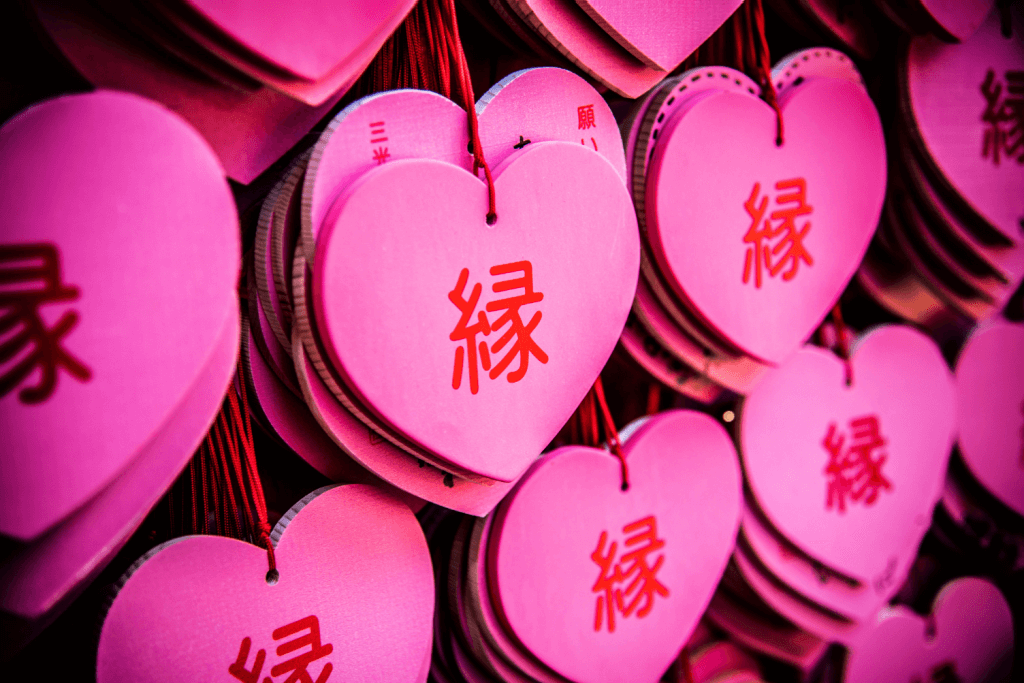
Credits: Sakuraco (

Valentine’s Day is a global celebration, but in Japan, the day is marked with unique customs that make it stand apart from other countries. While many associate Valentine’s Day with the exchange of romantic gifts between couples, Japan's celebration is a diverse tradition, with interesting cultural twists, different traditions for men and women, and a special follow-up holiday in March. As a Private Tour Guide, I’ll take you through how the Land of the Rising Sun celebrates love, both on February 14th and beyond.


Valentine’s Day in Japan: A Day for Women to Show Their Affection

Unlike Western traditions where both partners often exchange gifts, in Japan, Valentine’s Day is primarily a day for women to express their love for men. Women typically give chocolates to their romantic interests, friends, colleagues, and even bosses. While this might sound odd to outsiders, there’s a deeper cultural significance at play here.

Giri-choco (義理チョコ) – Obligatory Chocolate

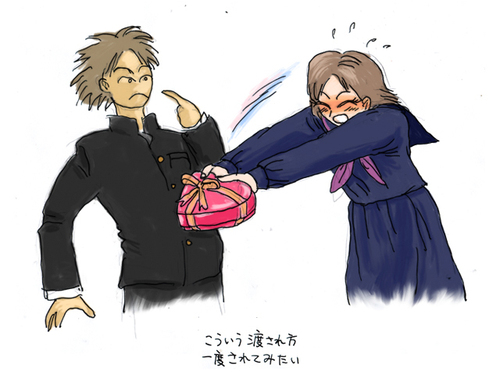
On Valentine’s Day, women give giri-choco, or “obligatory chocolate,” to men. This is a way for women to show appreciation and kindness to their colleagues, friends, and superiors. Giri-choco doesn’t carry romantic implications but rather serves as a polite gesture of goodwill, commonly shared among coworkers.

Honmei-choco (本命チョコ) – Chocolate from the Heart

Then there’s honmei-choco, the true expression of love. This is the chocolate women give to the man they are romantically interested in. Typically, the women will choose higher-end, handmade chocolates for this special gift. Honmei-choco can be a deeply meaningful gesture, representing a romantic confession, or a way to further strengthen an existing relationship.

Credit: Reporting Live from Osaka Japan


White Day: The Male Response to Valentine’s Day

Here’s where the real twist happens! On March 14th, Japan celebrates White Day, a tradition that is just as important as Valentine’s Day. While Valentine’s Day in Japan is about women giving gifts to men, White Day is the day when men are expected to return the favor. Men who received gifts on Valentine’s Day will give gifts back to women on White Day, typically chocolates, sweets, or even jewelry.

What makes White Day even more interesting is that men are often expected to give gifts that are of equal or greater value than what they received. This can lead to some interesting dynamics in relationships, particularly when it comes to gifts between close friends or romantic partners.

Credit: illustAC


The Rise of "Galentine's Day" and Celebrating with Friends

While Valentine’s Day is traditionally a day for couples, more recently, Japan has seen the emergence of "Galentine’s Day." Just like in the U.S., where women celebrate their friendships on February 13th, Japanese women are starting to gather with friends to exchange gifts and enjoy each other's company. It’s a heartwarming celebration of female empowerment and friendship.

Credit: The NewsHouse


Valentine’s Day in Japan will be a special occasion to experience the love and appreciation that the Japanese people feel towards their friends, family, and partners. From the traditional giving of chocolates to the exciting celebration of White Day, the romantic experiences and cultural twists surrounding the holiday offer a unique way to enjoy the season of love.

If you're visiting Japan, or if you're a local looking to experience the best of this celebration, Tokyo offers countless romantic spots. Whether it's the vibrant streets of Shibuya, the serene gardens of the Imperial Palace East Garden, or a romantic evening overlooking the Tokyo skyline, there's something special around every corner. For a romantic day trip, consider taking a tour from Tokyo to nearby destinations like the scenic hot springs of Hakone or the charming waterfront views of Yokohama. These nearby locations offer a perfect getaway for couples looking to enhance their Valentine's experience.

Happy Valentine’s Day!


Connect with us!

Understanding National Foundation Day in Japan | Tokyo Private Tour 2025

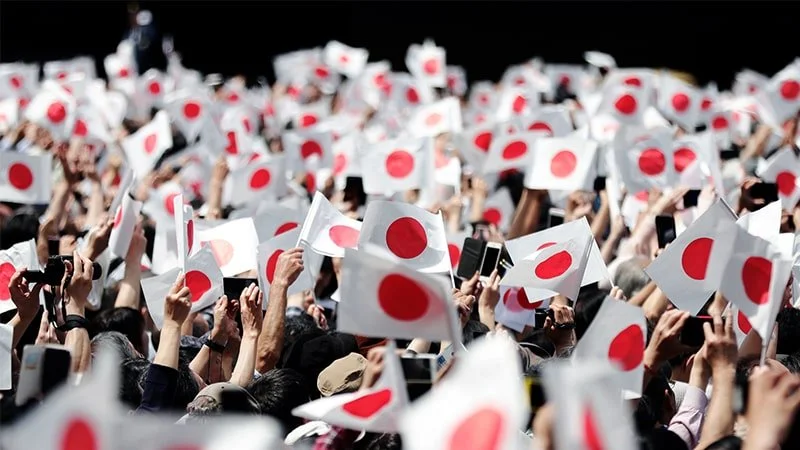
Credit: 阪神ネジ (People holding their flag)

Japan, a country steeped in rich history and culture, celebrates National Foundation Day, known as "Kenkoku Kinen no Hi" in Japanese, with deep reverence and significance. Observed annually on February 11th, this day commemorates the foundation of Japan and the ascension of its first emperor, Emperor Jimmu, to the throne in 660 BC according to traditional Japanese mythology. It is a time-honored occasion that holds special meaning for all who celebrate, including those exploring Japan through a Tokyo Private Tour.


Historical and Cultural Significance

National Foundation Day holds a special place in Japanese culture as it celebrates the establishment of Japan as a nation-state and honors the legendary origins of its imperial line. Emperor Jimmu, believed to be a descendant of the Sun Goddess Amaterasu, is revered as the first emperor of Japan, marking the beginning of an unbroken line of emperors that continues to this day.

Traditions and Customs

On this day, various ceremonies and events take place across Japan to celebrate its history and culture. One of the most notable traditions is the raising of the national flag, the Hinomaru, at government buildings and public spaces. Additionally, many people visit historical sites and museums to learn more about Japan's ancient origins and the significance of its imperial family.

Reflection and Unity

Beyond its historical roots, National Foundation Day is also a time for reflection and unity among the Japanese people. It serves as a reminder of the country's enduring cultural heritage and the values that have shaped its society over centuries. Families often gather for special meals and festivities, reflecting on the importance of national identity and unity.

Modern Observance

In modern Japan, National Foundation Day continues to be a public holiday, allowing citizens to take time to appreciate their country's history and cultural achievements. Schools and educational institutions often organize special activities to educate students about the significance of this day, ensuring that younger generations understand and appreciate their cultural heritage.

Reflections on Unity and Identity

As Japan continues to embrace modernity while preserving its cultural heritage, National Foundation Day remains a touching reminder of the country's unity and resilience. It encourages reflection on what it means to be a Japanese in a rapidly changing world, fostering a sense of unity and solidarity among its citizens.

National Foundation Day in Japan is not merely a historical commemoration but a celebration of identity and unity. It honors the ancient origins of Japan as a nation while promoting reflection on its enduring cultural values. As Japan continues to evolve in the modern world, this day serves as a heartfelt reminder of its rich heritage and the foundations upon which its society is built. For travelers seeking deeper cultural immersion, Tours in Tokyo provide unique opportunities to engage with Japan's vibrant history and modern significance during this meaningful observance.


Connect with us!

Discovering Nihonbashi Bridge | A Private Tour Guide Tokyo

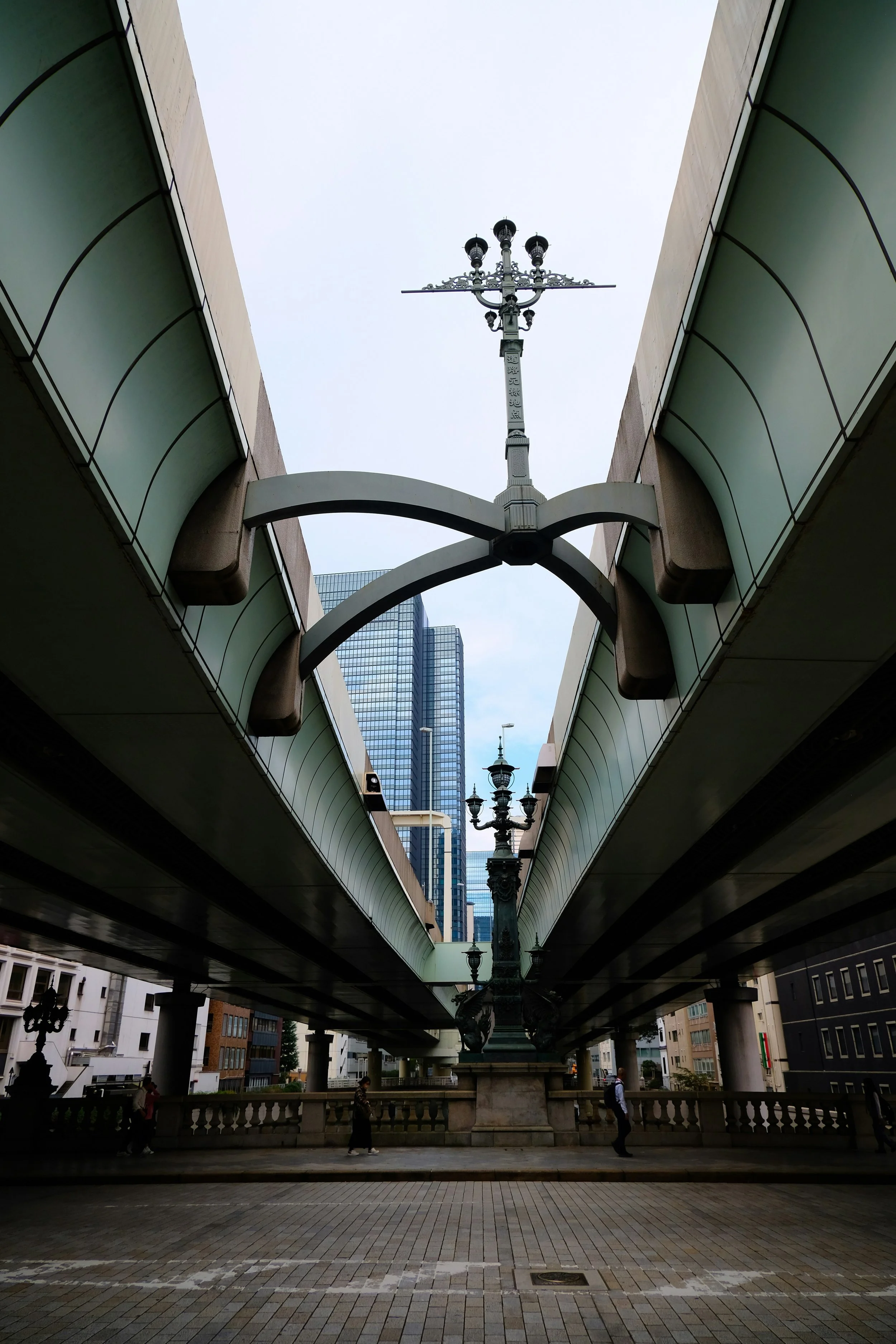
Credit: Jonas Gerlach (Nihonbashi Bridge)

Situated in the bustling heart of Tokyo, Nihonbashi Bridge is much more than a simple crossing—it’s a symbol of Tokyo’s history and a significant part of the city’s past and future. Whether you’re wandering through the city on your own or with a Private Tour Guide Tokyo who can offer deeper insights into the area’s significance, this bridge offers a window into the past, present, and future of one of the world’s most dynamic cities.


History

Originally constructed in the early 17th century during the Edo period, Nihonbashi Bridge quickly became one of Tokyo’s most important landmarks. Serving as the starting point for the Five Routes (Go-kaidō) of the Edo period, the bridge played a central role in connecting the capital, Edo (modern-day Tokyo), to other major cities across Japan, including Kyoto, Osaka, and Nagoya. The bridge itself, built with a combination of stone and wood, was considered an engineering marvel for its time. Its strategic position made it a main focus for both trade and transportation, facilitating the movement of goods and people throughout Japan. Nihonbashi rapidly grew in prominence and became a symbol of the prosperity and expansion of Edo, reflecting the city’s rising influence in the country.

Over time, Nihonbashi Bridge witnessed numerous changes, from natural disasters to the demands of an evolving city. However, the bridge continued to hold significant cultural value, eventually becoming one of the most recognizable symbols of Tokyo's history.

The Bridge Today

Though the bridge has undergone several reconstructions, including a major rebuild in 1911, the essence of its historical significance remains intact. Today, the bridge stands as a striking contrast between old and new, positioned in the heart of Tokyo’s financial district. Modern skyscrapers tower over it, yet the bridge still carries the weight of centuries of history. The surrounding Nihonbashi area is a vibrant blend of traditional architecture and contemporary development, with historic districts and centuries-old shops sitting side by side with sleek office buildings and shopping centers. Walking across Nihonbashi Bridge is not just a chance to cross the Sumida River; it’s a journey through time, where visitors can experience both the modern pulse of Tokyo and the rich historical layers that have shaped the city’s identity.

Tokyo Food Tour

Nihonbashi is also a haven for food lovers. The area has long been known for its culinary excellence, offering a taste of both traditional and modern Japanese cuisine. Several of Tokyo’s most famous sushi restaurants are located in Nihonbashi, where chefs have been perfecting their craft for generations. The area is home to various traditional sweet shops, where you can enjoy wagashi—Japanese confections that have been a part of Tokyo’s culture for centuries. These sweets often reflect the seasons and are made with intricate techniques passed down through the ages. Whether you’re indulging in a bowl of rich, flavorful ramen, sampling artisanal sweets, or exploring a centuries-old restaurant, Nihonbashi offers a rich culinary journey that complements its historical significance. It’s a place where food, culture, and history come together, giving visitors a deeper understanding of Tokyo’s ever-evolving identity.


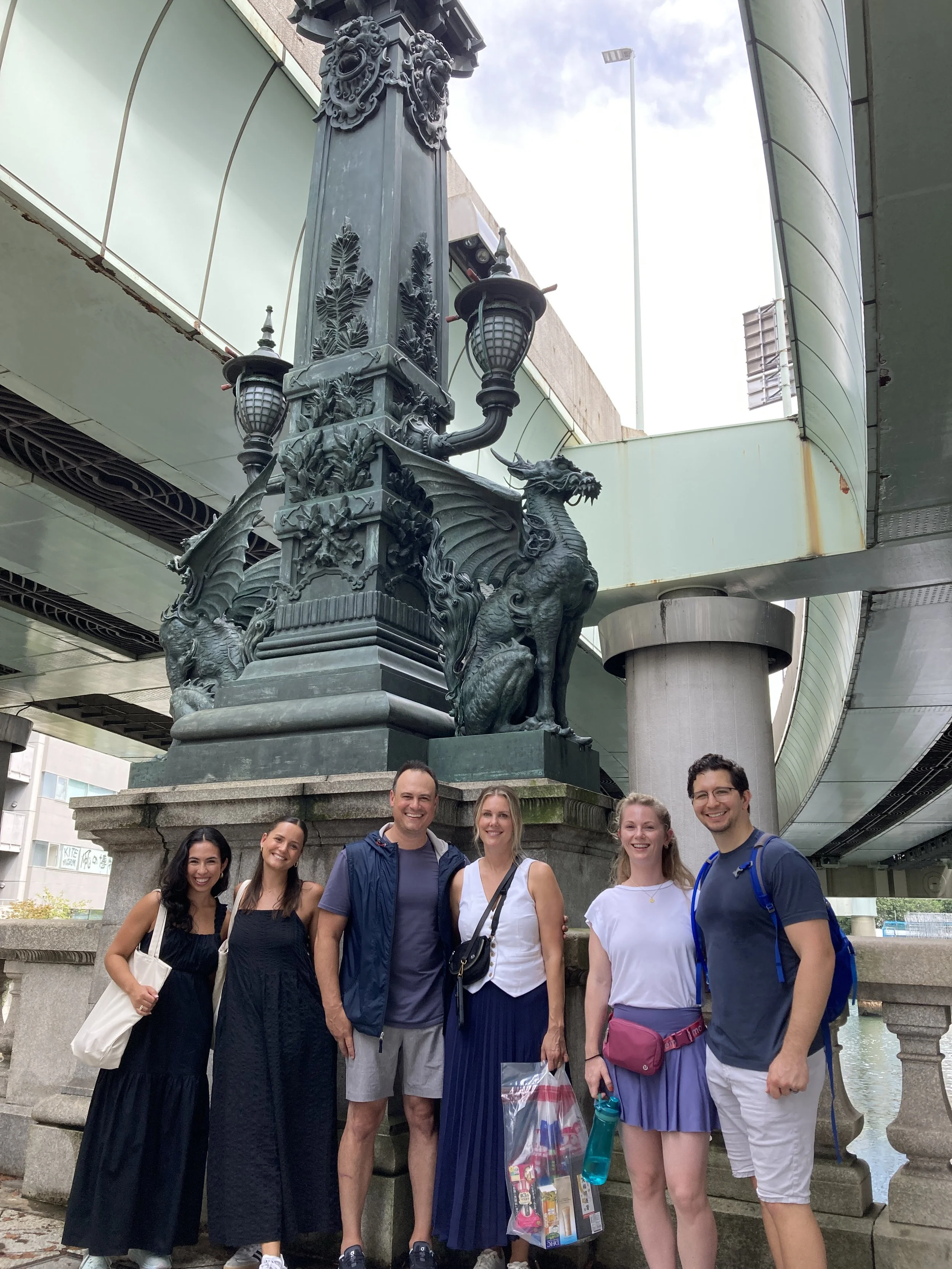
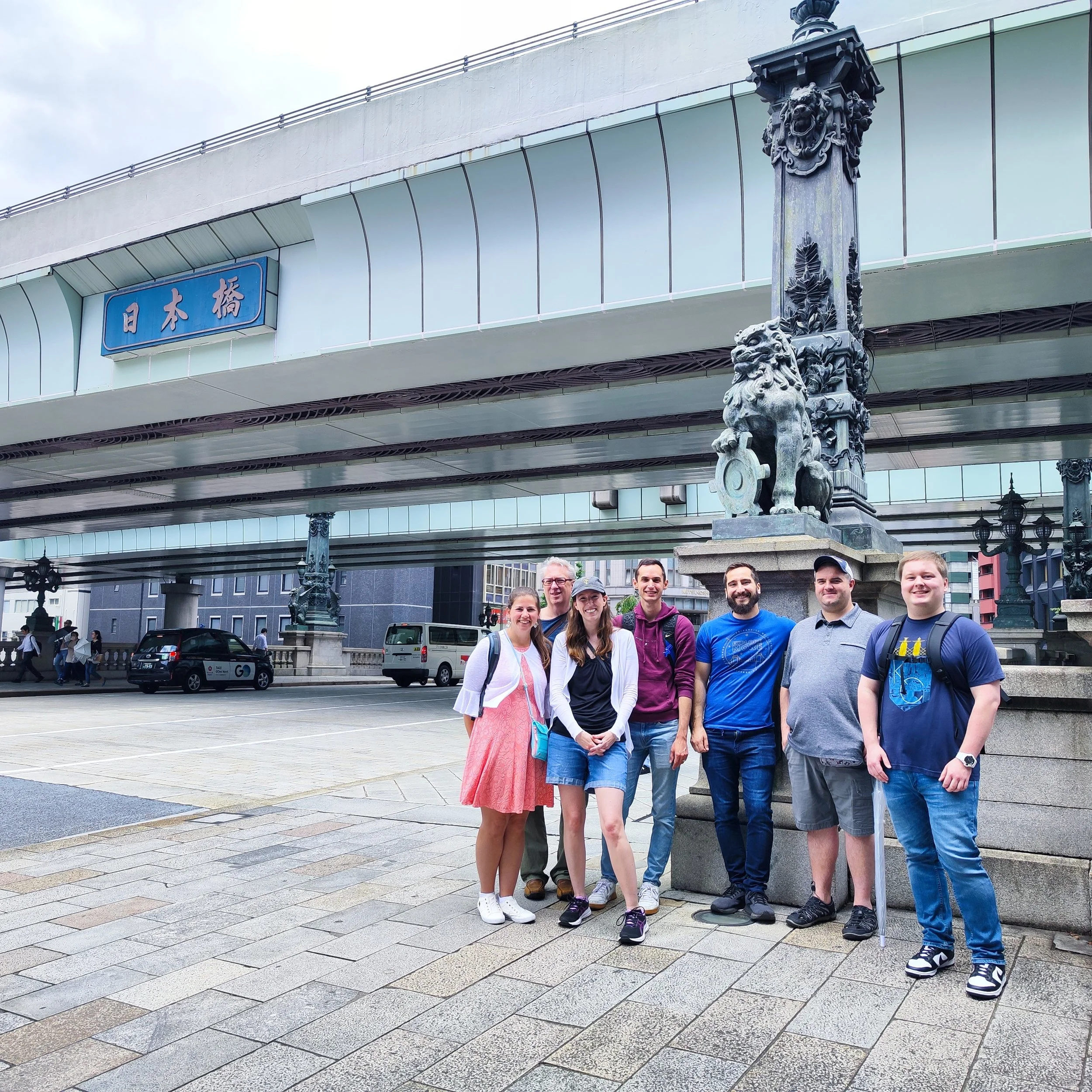
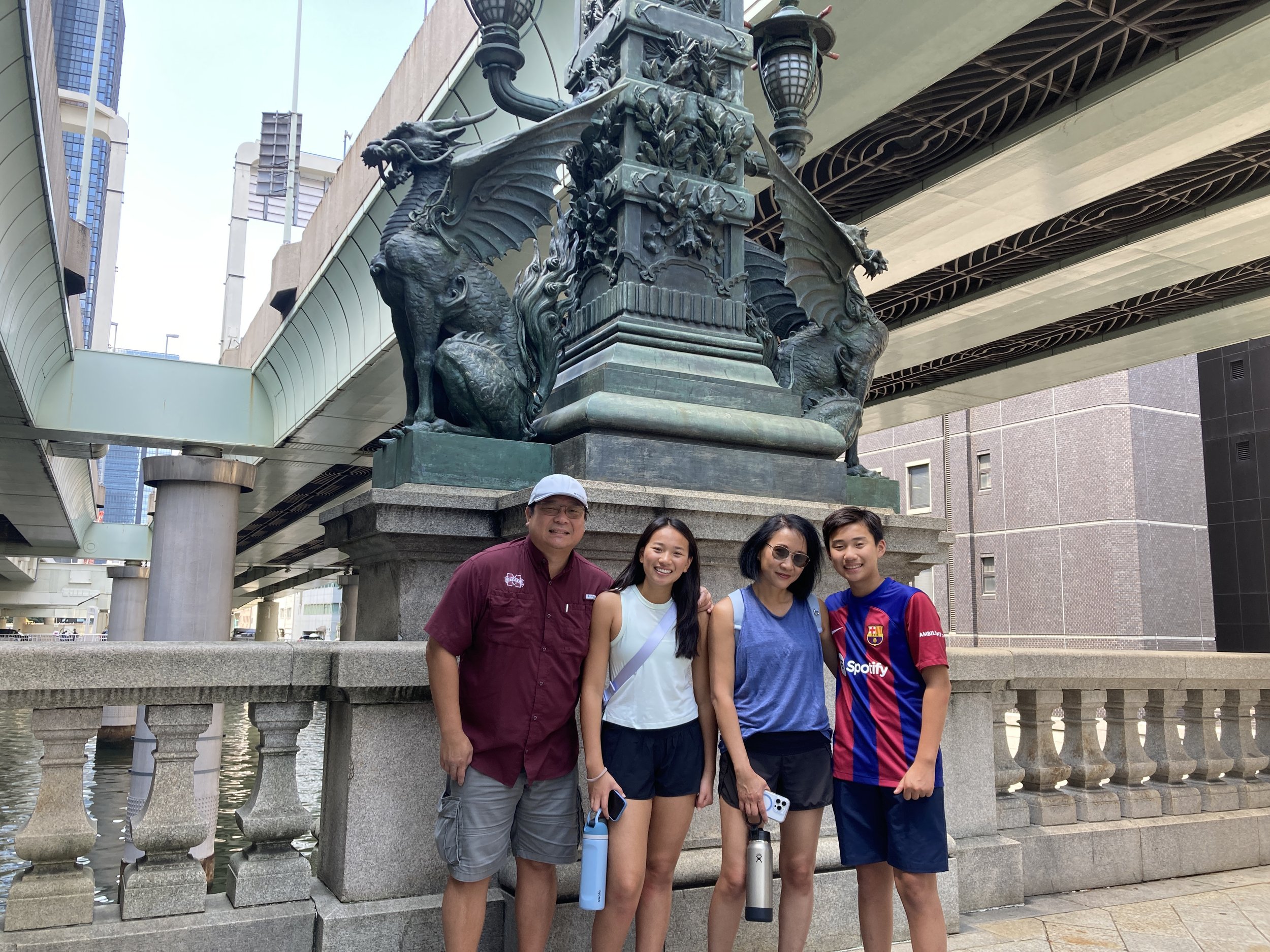
As you explore Nihonbashi, it’s hard not to be captivated by the way it represents Tokyo’s spirit. It’s a city that honors its history while stepping forward into the future, and Nihonbashi Bridge stands as a testament to that harmonious blend. Whether you’re taking in the detailed carvings on the bridge’s stone pillars or looking at the modern skyline around it, you’ll feel connected to Tokyo’s constantly changing story.


Join us on our Tokyo Food Tours and visit this iconic Bridge!

You can also include Nihonbashi Bridge on our Private Customised Tours

Book it below!


Connect with us!

What To See On Our Hakone Tour | Best day trip from Tokyo

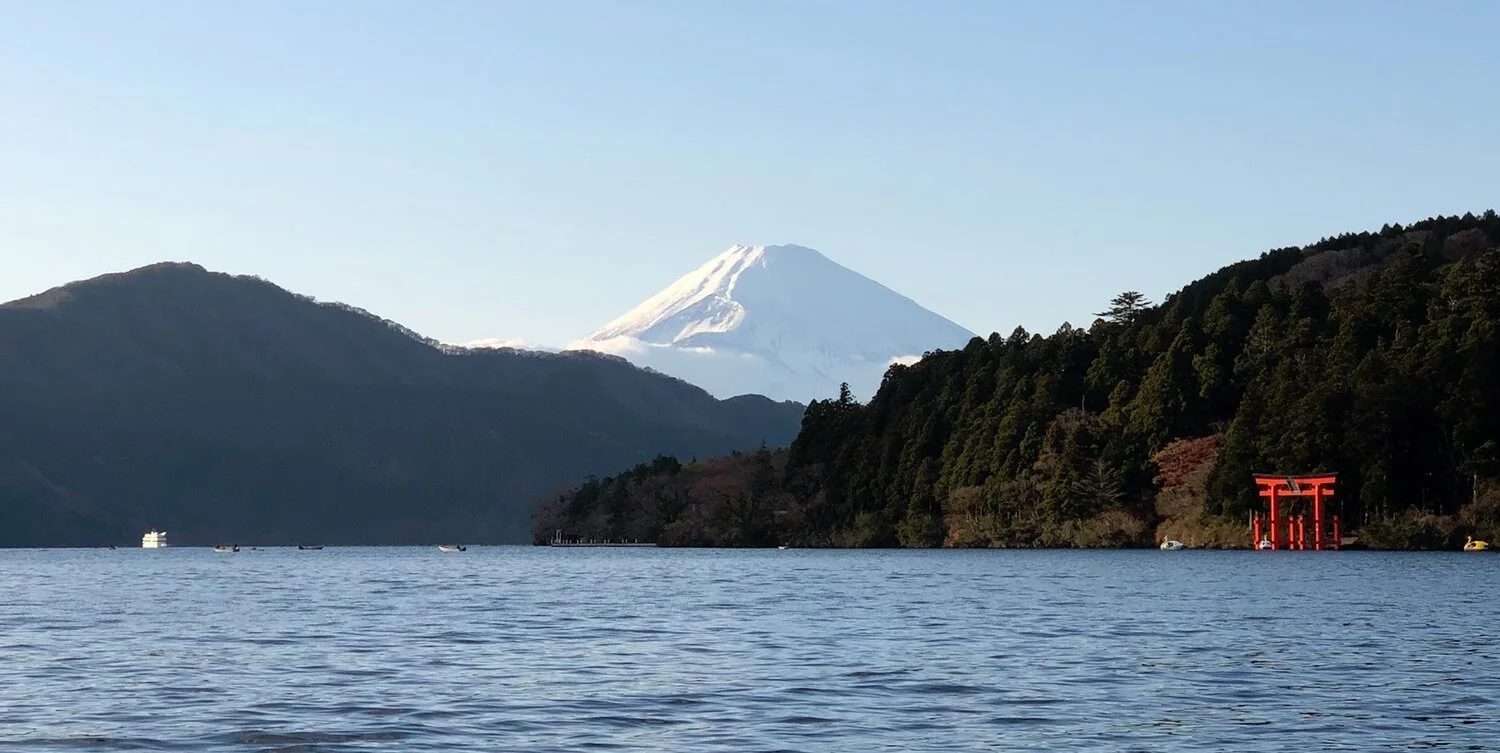
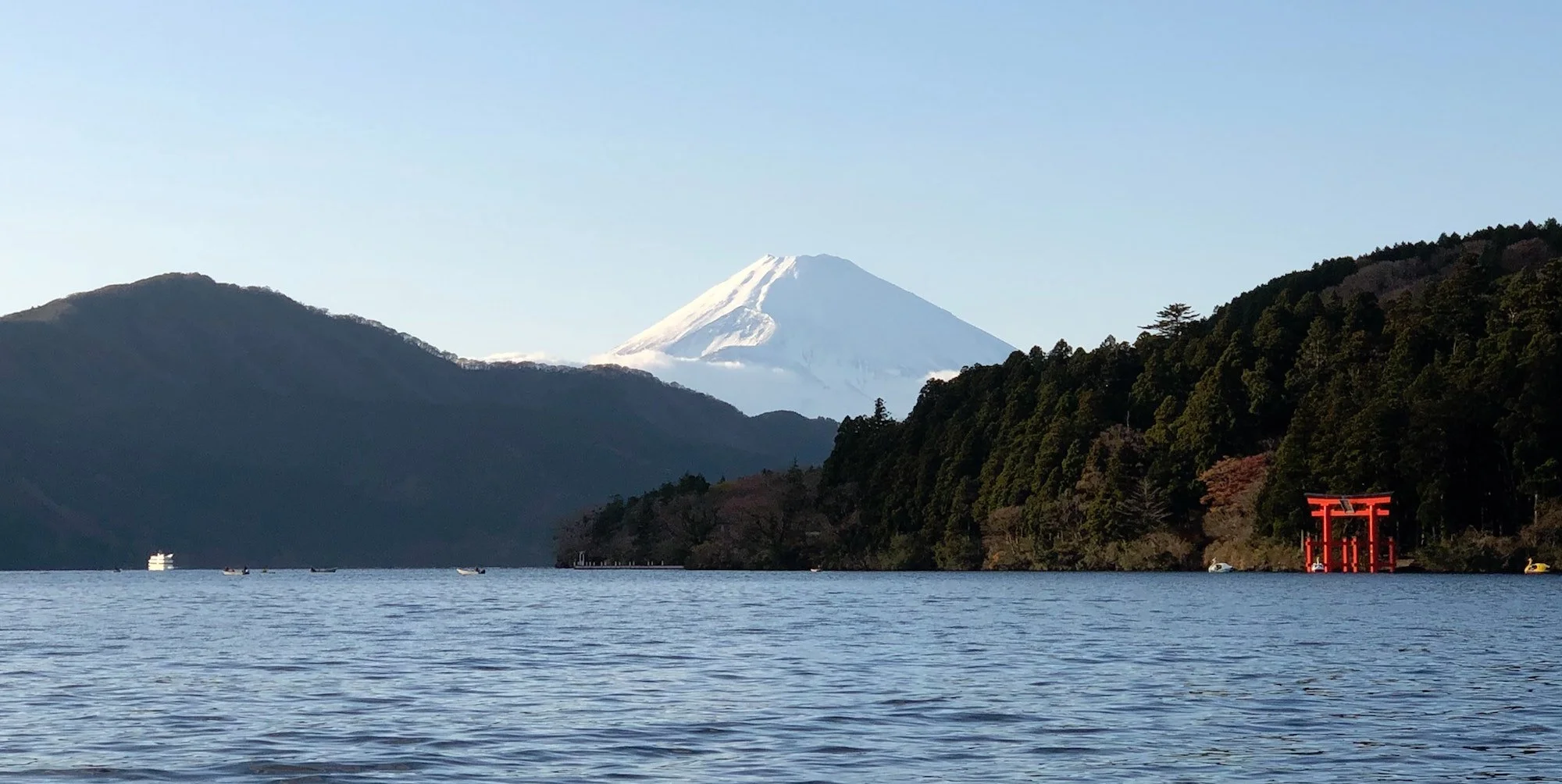
View of Mt. Fuji on a clear day

If you're seeking a best day trip from Tokyo that offers a blend of natural beauty, rich history, and fun activities, look no further than Hakone. Situated in the Fuji-Hakone-Izu National Park, just half an hour from Tokyo by bullet train, Hakone is a stunning mountainous town that captivates visitors with its hot springs, scenic crater lake, and awe-inspiring views of Mount Fuji. With our Private Hakone Tour, you'll embark on a journey that immerses you in the area's mystical natural forces and fascinating history.

Over the course of a full day, you’ll explore these key locations:

Hakone Shrine

Old Tokaido Road

Lake Ashi

Owakudani

The Open Air Museum or Traditional Onsen

Hakone Yumoto

HAKONE SHRINE

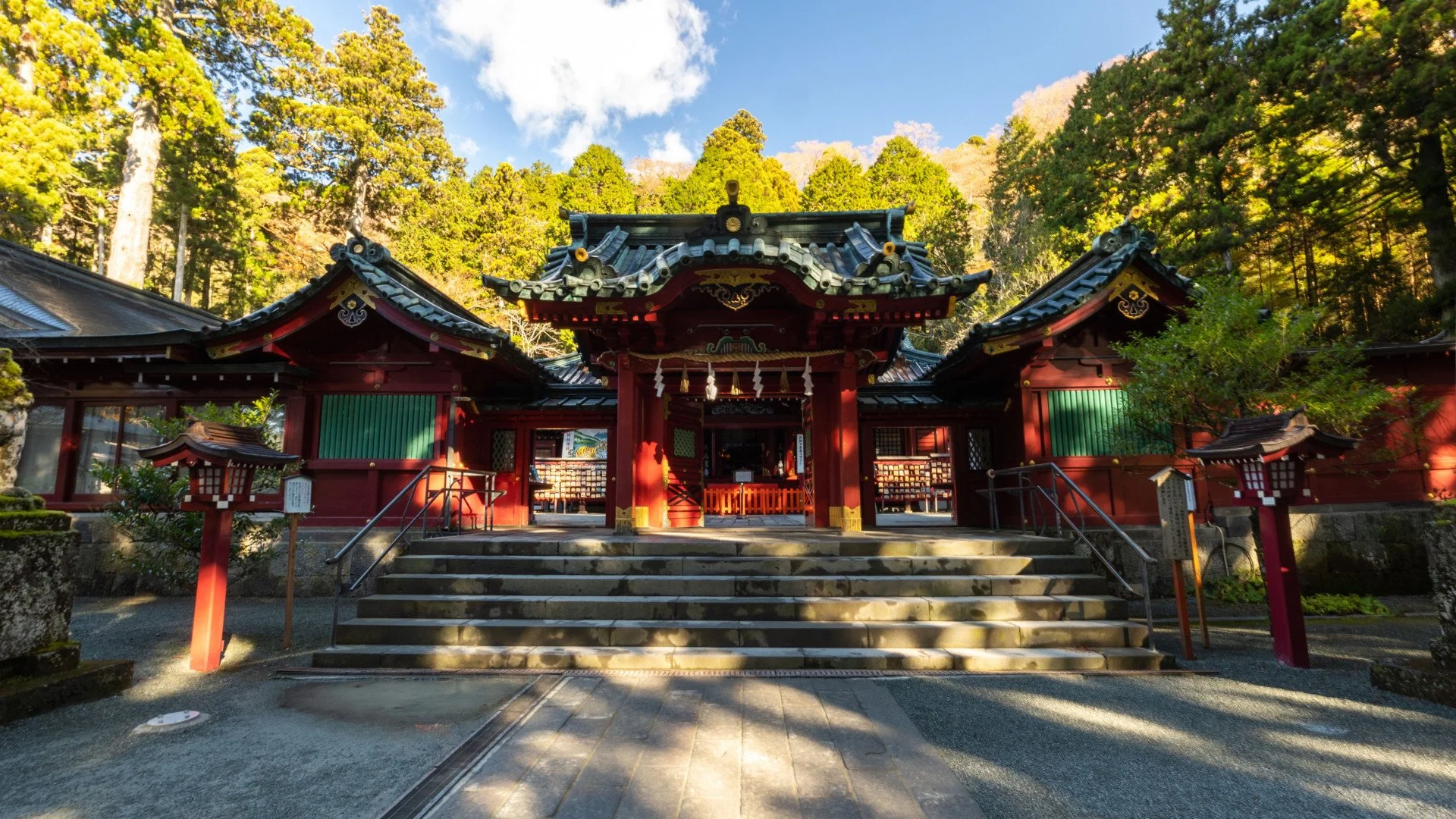
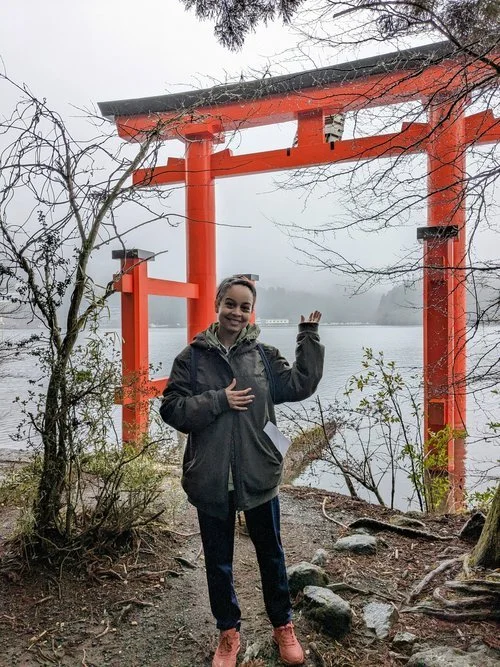
Hakone Shrine, located near Lake Ashi in Fuji-Hakone-Izu National Park, is a centuries-old Shinto temple surrounded by tall trees. A striking red gate stands in the lake, creating a peaceful and spiritual atmosphere. The visit to Hakone Shrine will undoubtedly be a highlight of your trip to Hakone

OLD TOKAIDO ROAD

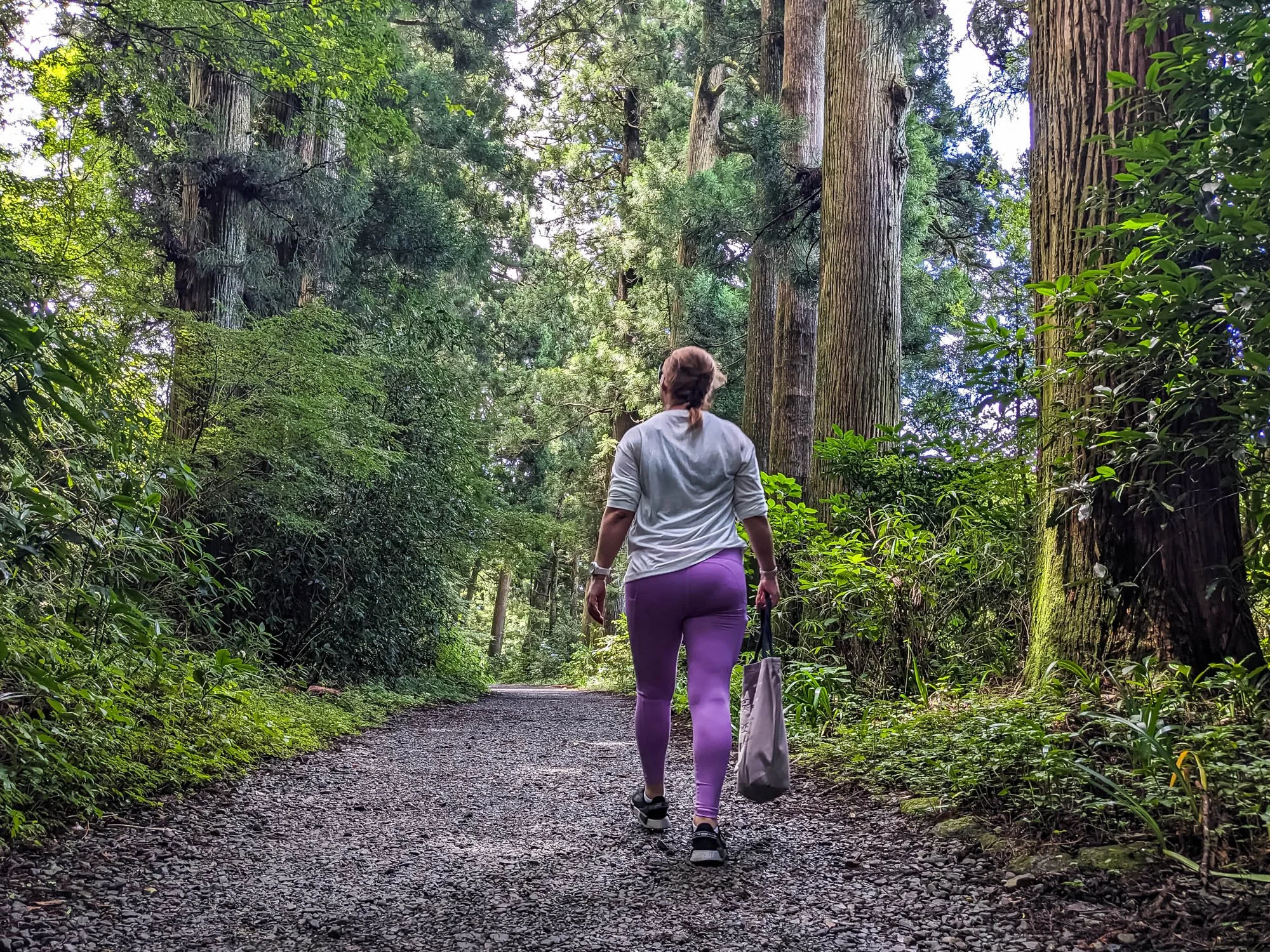
After visiting Hakone Shrine, our journey continues along the lakeshore to a preserved segment of the ancient Tokaido road. Dating back to the early 17th century, this cedar-lined pathway was one of Japan's five major roads, essential for travel across the country. Walking this historic route allows you to tread in the footsteps of past travelers, offering insights into its rich history and notable landmarks along the way.

LAKE ASHI

From Hakonemachi-ko port we board a boat that looks like an enormous pirate ship and enjoy a 30-minute cruise across the crater lake. We’ll tell you about the mystical creature that once terrorized the local community from this lake. We will also introduce you to the work and life of Hokusai - one of Japan’s most renowned artists who was inspired by Mt. Fuji and Lake Ashi. If the weather permits, you will be treated to an incredible view of the great Mt. Fuji.

OWAKUDANI

Next, we'll journey to Owakudani aboard a ropeway (gondola), transporting you to the volcanic valley known for its sulfurous fumes. Here, amidst this rugged landscape, you'll have the unique opportunity to taste the legendary black eggs boiled in local hot spring waters. According to local lore, consuming these eggs adds seven years to your life, making it a truly unforgettable experience.

THE OPEN AIR MUSEUM OR TRADITIONAL ONSEN

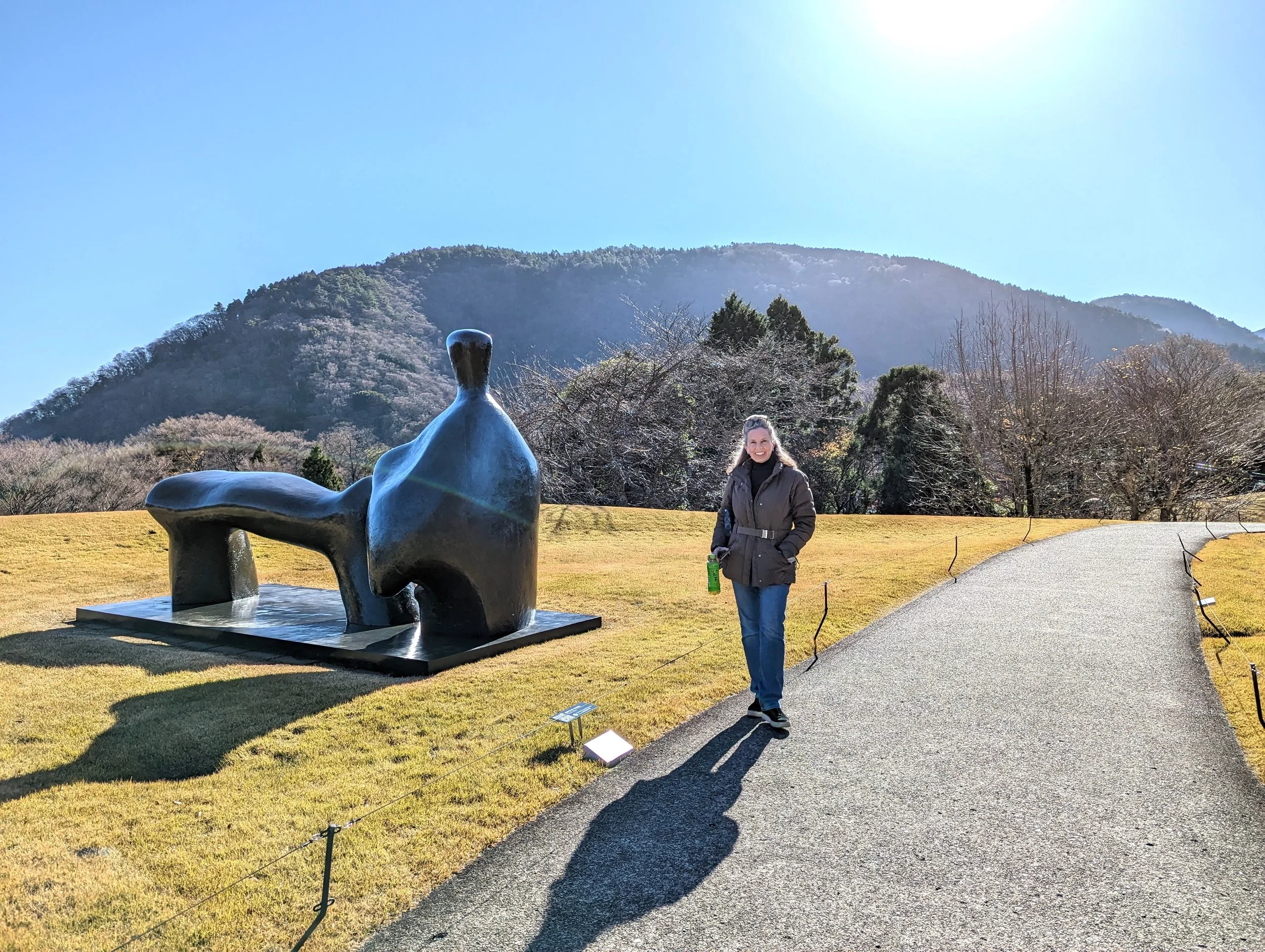
After leaving Owakudani, you'll have two choices for the next-to-last stop on our tour. The first option is a visit to The Open Air Museum, an enchanting outdoor art gallery nestled amidst the mountains. This museum harmonizes art with nature, offering a delightful surprise that appeals to everyone, even those who don't typically consider themselves art enthusiasts.

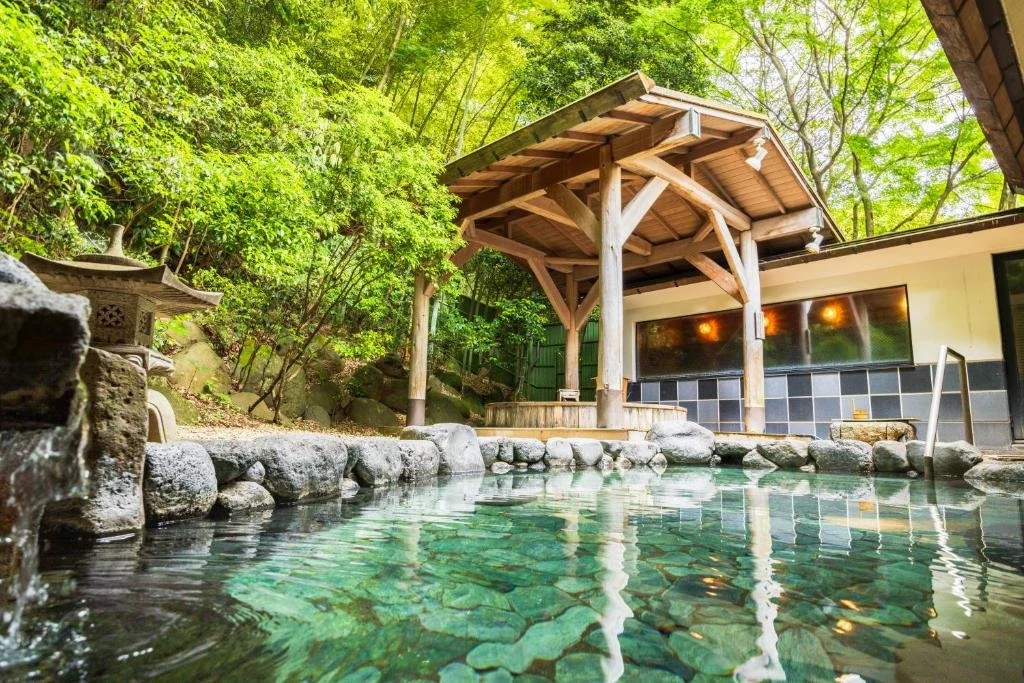
Alternatively, you can opt for a visit to a Traditional Onsen (hot spring). Here, you'll unwind and rejuvenate your body and mind in soothing thermal waters. Please note, bathing suits are not allowed in the onsen, and you'll enter the gender-separated pools unclothed. Rest assured, towels, toiletries, and skin lotions are provided, ensuring a seamless and relaxing experience. Whether you choose to enjoy the onsen with or without your guide, we invite you to explore this cultural tradition. For those unfamiliar with onsen etiquette, we recommend checking out our blog for insights on what to expect.

HAKONE YUMOTO

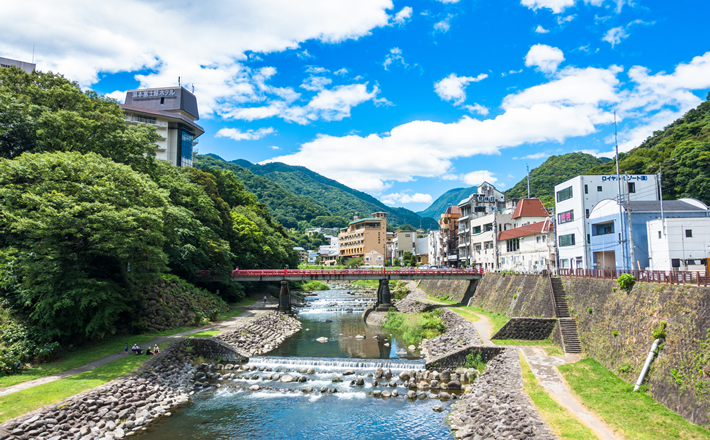
After visiting the museum or relax in the hot springs, we'll conclude the tour with a brief visit to the souvenir shops in Hakone Yumoto. Afterward, we'll head back to Odawara Station to catch a bullet train back to Tokyo.

Credit: www.hakonenavi.jp


Connect with us!

How is Coming of Age Day Celebrated in Japan? | Guided tours of Japan

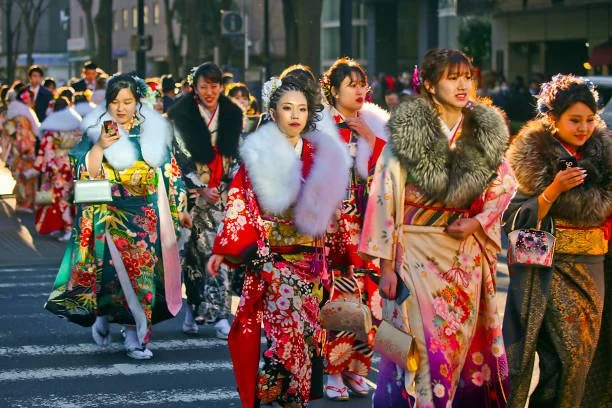
Credit: Japan Wonder Travel Blog (People wearing Kimono to celebrate their coming of age day)

In Japan, Coming of Age Day (成人の日, Seijin no Hi) is celebrated on the second Monday of January to honor young adults who turn 20, the legal age of adulthood. This day is a milestone that signifies the transition from adolescence to adulthood, marking new responsibilities such as voting, drinking alcohol, and being considered a full member of society


Ceremonies and Events

The main event on Coming of Age Day is the Seijin Shiki (成人式), a formal ceremony held in cities and towns across Japan. Local governments host these ceremonies, where newly-turned 20-year-olds are congratulated by officials, often including mayors or governors. These speeches emphasize the importance of adulthood and encourage young adults to reflect on their new role in society. The ceremonies are often accompanied by performances or cultural presentations.

Traditional Attire

One of the most distinctive features of Coming of Age Day is the attire worn by participants. Young women typically wear furisode (振袖), a formal kimono with long sleeves, often in vibrant colors and intricate patterns. The kimono is a symbol of youth and unmarried status, and many women also visit beauty salons to have their hair styled elaborately for the event. Young men, on the other hand, may wear hakama, a traditional garment consisting of wide-legged trousers worn over a kimono, or a modern suit. Both genders often accessorize with items like decorative pins or ties to complete their outfits.

Celebrations and Traditions

After the formal ceremonies, many young adults gather with family and friends to celebrate. Parties and social gatherings are common, where the new adults enjoy food, drinks, and good company. It’s also a time for families to take photographs, capturing the new adults in their traditional attire.

Many young people also visit temples or shrines on Coming of Age Day to offer gratitude for the support they’ve received from their families and communities. This is a moment for reflection, where they may pray for their future success and well-being.

Gifts and Tokens

It is customary for family members to give gifts to the new adults on Coming of Age Day. These gifts can range from money to more personal items, such as commemorative books or jewelry, to mark this important milestone. These tokens symbolize the passing of time and the transition into adulthood.

Reflecting on Adulthood

Coming of Age Day offers young adults a chance to reflect on their responsibilities as they officially step into adulthood. It is a day of both celebration and introspection, as the newly adult individuals are encouraged to consider their roles in society and the challenges they will face in the future.

Regional Variations

While Coming of Age Day is celebrated across Japan, the way it is observed can vary by region. Larger cities like Tokyo and Osaka may host grander ceremonies, sometimes with thousands of participants, while smaller towns might have more intimate gatherings. Despite these differences, the overall theme of responsibility and community remains the same.

Coming of Age Day is a significant cultural event in Japan, celebrating the transition to adulthood with ceremony, tradition, and personal reflection. Whether through formal rituals, festive gatherings, or quiet moments of reflection, the day emphasizes the importance of new beginnings and the responsibilities that come with adulthood. It remains one of Japan’s most cherished holidays, marking a signifacant moment in the lives of young adults.


Connect with us!

HELLO! TOKYO TOURS | SPOTLIGHT ON: KEIKO

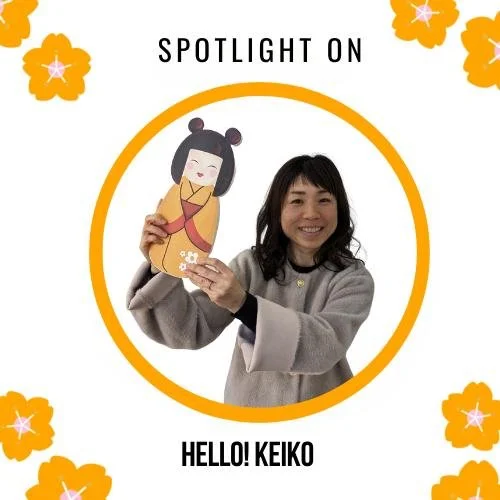
Spotlight On: Keiko

In this episode of Spotlight On we meet Keiko, one of our private tour guide for Tokyo. We have asked Keiko some questions about some of her favorite things in Japan.


What's your favorite food and where would you recommend people to get it?

Unadon. I love Unagi! You can have unadon at any unagi restaurant.

Image credit: Tasteatlas


Image credit: Discover New Zealand Tours

Image credit: Tasteatlas


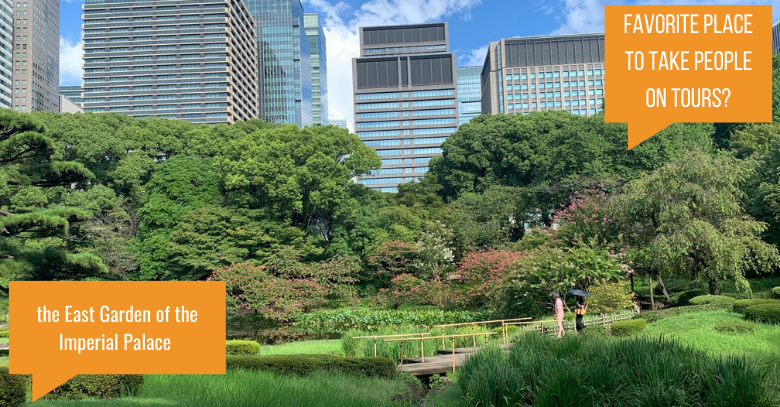
What’s your favorite place to take people to on tours?

the East Garden of the Imperial Palace. Because in our private tokyo walking tours, you can see historical remains of the Edo Castle (Shogun's castle) and beautiful Japanese gardens. I love the quite and calm atmosphere there. It's surprising the East garden located in the center of Tokyo has lots of greens!

Image credit: Tokyo free walking tour

Other fun facts about Keiko

Languages Keiko guides in: English and Japanese

Month and year Keiko joined Hello! Tours: April 2024

One thing Keiko likes about working with Hello! Japan: My awesome team!

Something not many people know about Keiko: I play tennis.

Tokyo Guide: Understanding Hatsumode | Japan's New Year Tradition

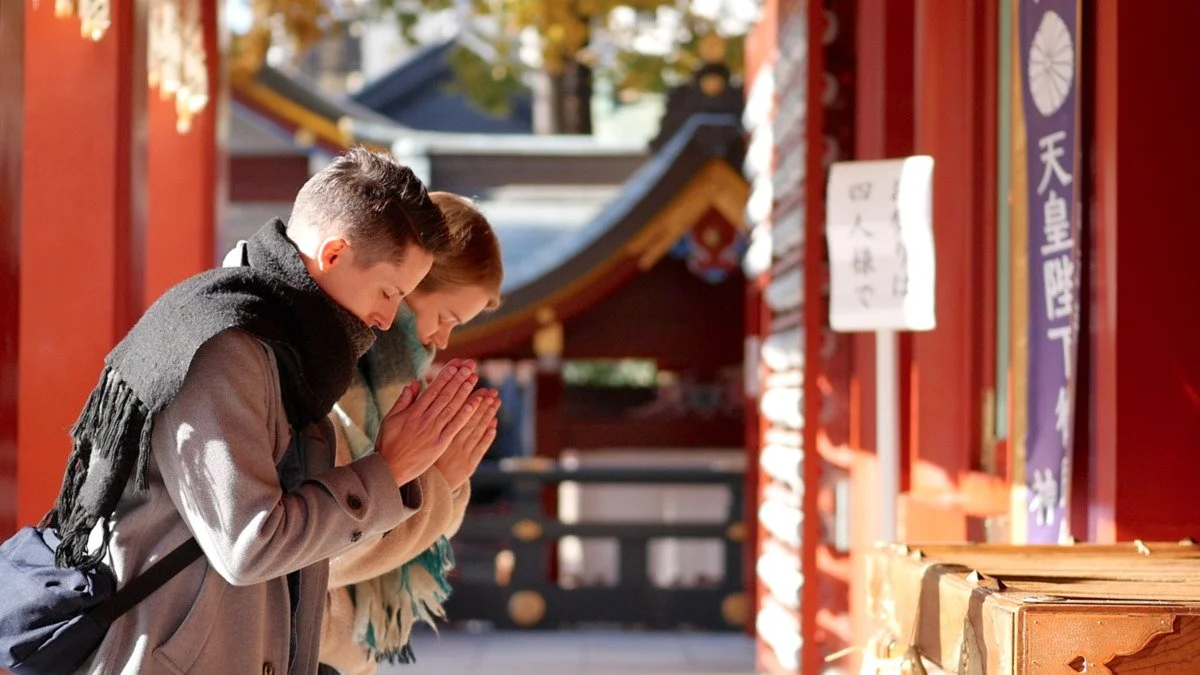
Credit: Visit Chiyoda (People offering their prayers at the shrine)

As the calendar flips to January, millions of people across Japan prepare to celebrate one of the most important cultural traditions of the year—Hatsumode (初詣). This event marks the first shrine or temple visit of the New Year, a moment for reflection, gratitude, and prayer. Whether you’re a local or a visitor exploring Tokyo, participating in Hatsumode offers an incredible opportunity to understand the deep-rooted customs and beliefs that shape Japanese culture. Let’s dive into what Hatsumode is and why it’s a must-do experience during the New Year season in Japan by your Tokyo Guide.


What is Hatsumode?

Hatsumode literally means “first visit” (hatsu - first, mode - visit) and refers to the tradition of visiting a shrine or temple during the first few days of the New Year to pray for good health, happiness, and success in the coming year. This custom, deeply rooted in Shinto and Buddhist practices, offers a time for individuals to pay respects to deities, ancestors, and the natural world.

Though the practice varies slightly across regions, the most common dates for Hatsumode are from January 1st to January 3rd. Many Japanese people, whether they live in the bustling metropolis of Tokyo or in rural areas, will make the journey to a shrine or temple, no matter the weather, to fulfill this important ritual.

For many, Hatsumode is not just about seeking personal good fortune, but also about reflecting on the past year, offering thanks, and embracing the start of a fresh chapter. It’s a time for renewal and positive intentions.


Common Rituals of Hatsumode

  1. Visiting Shrines and Temples: People make their way to popular shrines like Meiji Shrine, Senso-ji Temple, or Zojoji Temple, all of which attract large crowds during the New Year period.

  2. Purification: Before entering sacred grounds, visitors wash their hands and rinse their mouths at water basins to purify themselves.

  3. Offering Prayers: After making a donation in the offering box, visitors clap their hands and pray for blessings.

  4. Omikuji (Fortune-Telling): Many people draw omikuji (fortune slips) to find out what the year holds for them.

  5. Amulets: Visitors also buy New Year charms (omamori) for protection and success.


Popular Shrines for Hatsumode in Tokyo

  1. Meiji Shrine: A peaceful escape in the heart of Tokyo, popular for Hatsumode.

  2. Senso-ji Temple: Tokyo's oldest temple, with vibrant festivities and shopping.

  3. Zojoji Temple: A historic site near Tokyo Tower, offering a more peaceful experience.


Tips for a Memorable Hatsumode Experience

  • Arrive early to avoid crowds, especially at major shrines.

  • Dress warmly for the chilly January weather.

  • Respect the customs by maintaining a quiet, respectful atmosphere.


Hatsumode offers a meaningful glimpse into Japan's spiritual traditions and is a great way to experience Japanese culture. Whether you're exploring Tokyo independently or with a Tokyo Tours with a private tour guide in Tokyo, experiencing Hatsumode is a must-do for any visitor seeking a deeper connection with Japanese culture.


Connect with us!